Diarrhea After Drinking Alcohol: Causes, Prevention, and Treatment
Disclaimer: This article is for informational and educational purposes only, and does not replace expert medical advice. Diarrhea after drinking alcohol may require a comprehensive physical assessment, so refer to a board-certified physician for a proper diagnosis and treatment. In case of emergencies, call 9-1-1 in the U.S. or your local emergency number immediately.
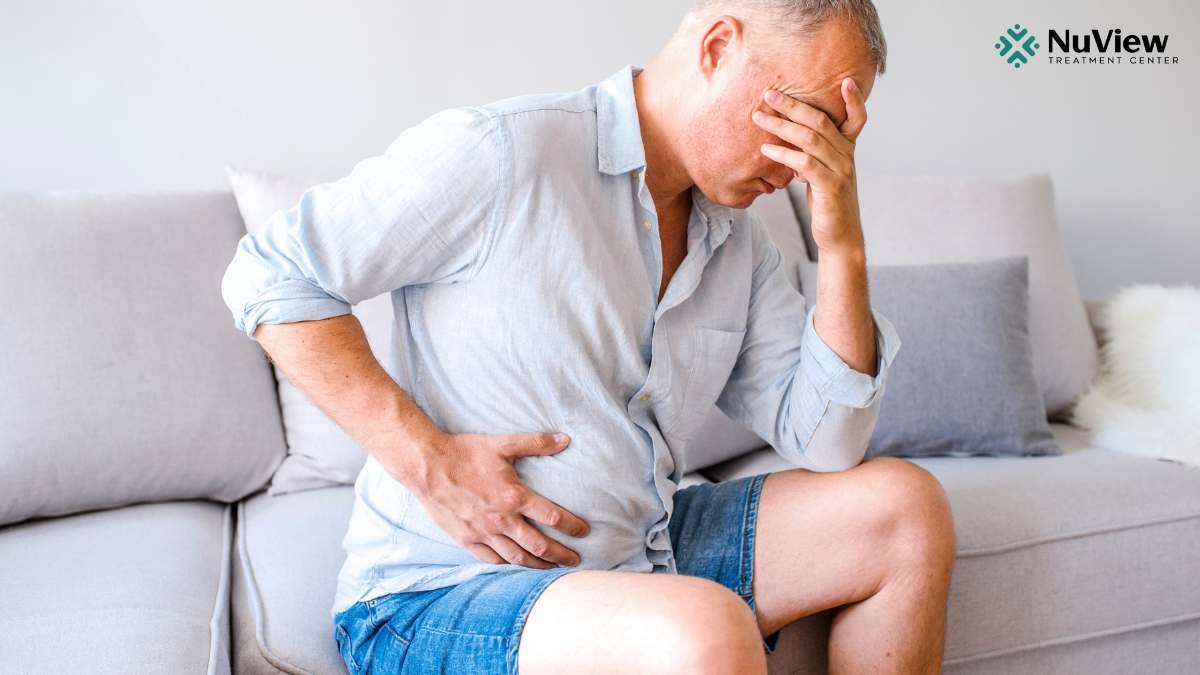
If you have ever noticed digestive concerns after drinking, you are not alone. For many, alcohol can disrupt the stomach and intestines in ways that feel uncomfortable or unpredictable.
Diarrhea is one of the more common effects of alcohol. It lasts for nearly 1-3 days after drinking alcohol. Small amounts of alcohol can make your digestive system work faster. This can lead to diarrhea. Larger amounts of alcohol do the opposite - they slow digestion down and can cause constipation.
While it can feel frustrating or even embarrassing, it is often your body’s way of responding to how alcohol interacts with your system.
In this article, we will look at why this happens. We will also cover steps you or a loved one can take next.
How Does Alcohol Consumption Lead to Diarrhea?
Alcohol directly impacts your gastrointestinal tract (GIT). This can lead to the following reactions:
- Irritate the lining of your stomach and intestines
- Disrupt the balance of bacteria in your gut
- Speed up how quickly food moves through your system
- Reduce your body’s ability to absorb water and nutrients.
When digestion and absorption slow down or misfire this way, diarrhea can follow. Nutrients also have a harder time reaching the rest of the body.
This effect is stronger if you consume alcohol on an empty stomach. Food in your stomach normally absorbs alongside alcohol and acts as a buffer. Without food, alcohol moves through your intestinal walls much faster.
Most alcohol gets absorbed in the small intestine. The rest reaches the large intestine, or colon. There, it can make the colon's muscles contract more often, which leads to diarrhea.
Why Is Diarrhea After Drinking More Common Among Some?
Alcohol does not impact everyone in the same way - even the digestive system. A few risk factors can increase the likelihood of diarrhea among some more than others:
- Type of Alcohol: Beer and sugary mixed drinks may irritate the gut more. Especially among those with gluten sensitivity.
- Underlying Conditions: Certain underlying conditions, like irritable bowel syndrome (IBS), celiac disease, and Crohn’s disease, can increase the likelihood of diarrhea after drinking.
- Stress and Mental Health: Cycles of emotional strain or distress can already impact digestion, which alcohol can amplify.
- Drinking Habits: Drinking on an empty stomach can increase the likelihood of diarrhea.
- Withdrawal Symptoms: Heavier drinking patterns raise the stakes even more. Abruptly reducing or stopping alcohol use can lead to unpleasant withdrawal symptoms, including diarrhea.
When Drinking Starts to Affect Your Body, It Is Worth Paying Attention
Experiencing physical symptoms after drinking, especially more often, can be a sign your body is struggling to process alcohol the same way.
Getting clarity early can make a big difference in how things progress.
Speak With a Care Specialist. Call (323) 307-7997.
Get Started With Nuview Treatment Center
Our dedicated professional staff is here to guide you or your loved one on the journey to lasting recovery, offering support every step of the way.

When to Seek Urgent Care?
Most diarrhea after drinking clears up on its own within a few days. But some symptoms mean you need medical attention the same day, not later on. Contact a doctor or go to urgent care right away if you notice:
- Black, tarry, or bloody stools
- Vomiting blood, or vomit that looks like leftover coffee waste
- Vomiting that will not stop
- Severe abdominal pain
- Signs of dehydration, such as dizziness, a dry mouth, or urinating much less than normal
- Diarrhea that lasts more than two days
If any of these apply to you or someone you know, do not wait it out at home. Seek care the same day.
What You Can Do to Prevent Diarrhea After Alcohol Consumption?
If alcohol is affecting your digestion or leading to diarrhea, there are a few steps you can consider:
Why Is Diarrhea After Drinking Alcohol a Pattern Worth Noticing?
Many of those who experience diarrhea after drinking alcohol are not in a crisis commonly associated with alcoholism. You are managing your daily life, showing up for responsibilities. But there may be patterns that are becoming harder to control:
- You may be wondering why your body is reacting to alcohol way more than it used to
- You have tried cutting back or putting limits, but you have not been able to stick to them
- You have been planning around restroom access when you are out.
These moments do not feel extreme, but they may be worth taking note of.
Get Started With Nuview Treatment Center
What Is the Difference Between Short-Term Concerns Vs. Long-Term Risks?
While occasional stomach upset after drinking may not be anything out of the ordinary, you need to pay closer attention if it happens often.
While most do not struggle with stomach concerns for more than 1-3 days, if you notice other patterns like:
- Increased sensitivity to certain drinks
- Needing to use the restroom soon after drinking
- Loose stools the next morning after alcohol use,
These patterns can indicate ongoing symptoms. They can be subtle at first, but they often become easier to recognize as they occur more frequently.
If You Are Concerned About Someone You Care For
If you are feeling concerned about someone you care for who experiences diarrhea after drinking alcohol, even your small observations can mean a lot. You can help your loved one in the following ways:
- You can find a time when they are relaxed to bring up the conversation without judgment
- You can focus on what you have noticed. Use “I” statements; do not make any presumptions
- If you are met with denial or resistance, do not get frustrated. Broach the topic at a later time.
- Offer practical tips. Encourage your loved one to explore the care they need and deserve at their own pace.
Your loved one is more likely to open up when they feel understood, not pressured. Even if they do not meet you halfway right away, every conversation still counts.
What Can You Do Next? Finding Care That Fits Your Life
Finding the structure and care you need and deserve to break out of patterns concerning alcohol does not mean stepping away from your life. Outpatient care is designed to fit right in with your routine.
NuView Treatment Center offers partial hospitalization programs, intensive outpatient programs, and even virtual care options that meet you where you are, depending on what you need.
If you have been experiencing persistent physical symptoms or simply wondering why your body is reacting to alcohol this way - reaching out to licensed and experienced experts who can provide more clarity on what you are experiencing makes a meaningful difference.
When It Might Be Worth Taking a Closer Look
Diarrhea after drinking can feel like an inconvenience initially, but you do not have to ignore it either. If something feels off, even slightly, it is worth paying attention to.
Whenever you are ready, you can speak to someone who understands what this looks like for you and offer clarity on what to do next.
Call (323) 307-7997.
Frequently Asked Questions About Diarrhea After Drinking Alcohol
Why does alcohol upset my stomach?
Alcohol upsets the stomach in a few ways. It inflames the digestive system, slows water absorption, speeds up digestion, and can increase harmful bacteria in the gut.
Is diarrhea a symptom of alcohol intolerance?
In some cases, diarrhea after drinking alcohol can also be a symptom of alcohol intolerance.
Does mixing alcohol with prescription medications worsen diarrhea?
Some medications can interact with alcohol and increase the likelihood of digestive side effects like diarrhea.
How long does diarrhea after drinking alcohol last?
Typically, diarrhea and other digestive concerns after drinking alcohol last for 1-3 days.
When must you visit the doctor for diarrhea after drinking?
If diarrhea after drinking alcohol becomes more severe and persistent, or is accompanied by pain, blood, or weight loss, it is best to refer to a doctor immediately.
- How Does Alcohol Consumption Lead to Diarrhea?
- Why Is Diarrhea After Drinking More Common Among Some?
- When to Seek Urgent Care?
- What You Can Do to Prevent Diarrhea After Alcohol Consumption?
- Why Is Diarrhea After Drinking Alcohol a Pattern Worth Noticing?
- What Is the Difference Between Short-Term Concerns Vs. Long-Term Risks?
- If You Are Concerned About Someone You Care For
- What Can You Do Next? Finding Care That Fits Your Life
- Frequently Asked Questions About Diarrhea After Drinking Alcohol
- How Does Alcohol Consumption Lead to Diarrhea?
- Why Is Diarrhea After Drinking More Common Among Some?
- When to Seek Urgent Care?
- What You Can Do to Prevent Diarrhea After Alcohol Consumption?
- Why Is Diarrhea After Drinking Alcohol a Pattern Worth Noticing?
- What Is the Difference Between Short-Term Concerns Vs. Long-Term Risks?
- If You Are Concerned About Someone You Care For
- What Can You Do Next? Finding Care That Fits Your Life
- Frequently Asked Questions About Diarrhea After Drinking Alcohol
Get Help Today!



Everyone is Welcome Here and We All Have Your Back
Your healing journey deserves a personalized approach. At NuView, we integrate expertise in behavioral therapy, mental health, and substance use treatment to create a customized recovery plan tailored to your unique needs.
Connect with our Admissions Specialists today.