Getting Through Fentanyl Withdrawal: What You Need to Know
Disclaimer: This article is for informational purposes only. Fentanyl misuse, dependence, and withdrawal require a comprehensive psychiatric and physical evaluation by a licensed and qualified clinician. So, always refer to a board-certified physician or mental health specialist for a proper diagnosis and treatment.
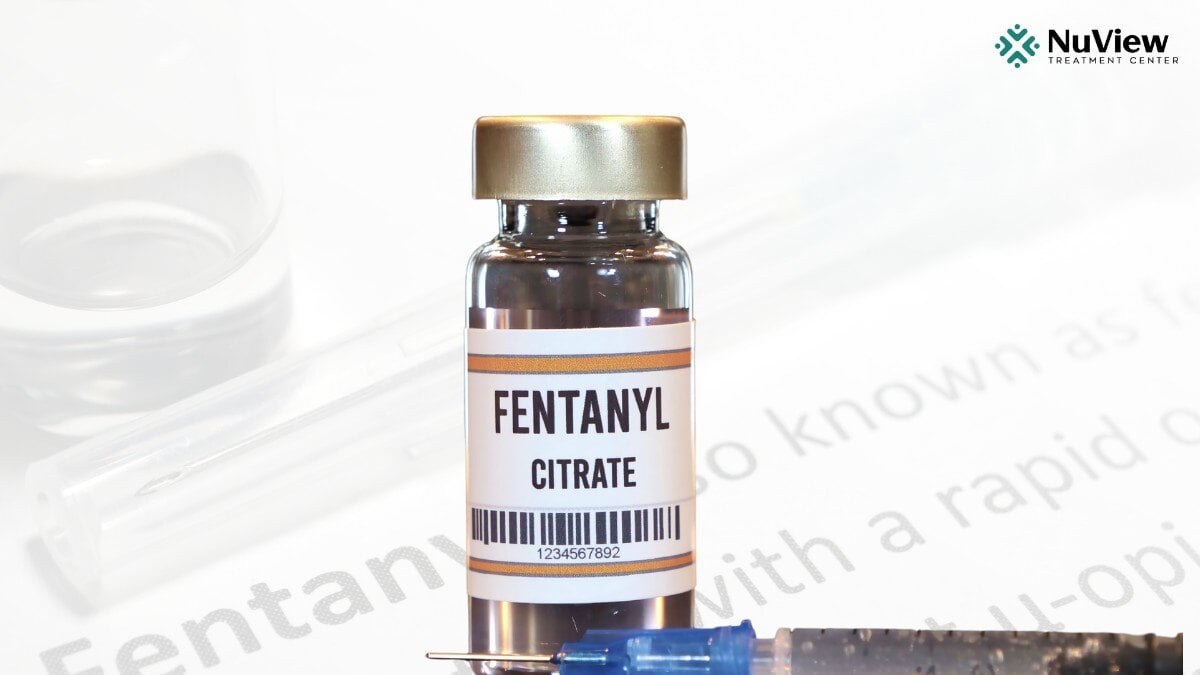
Fentanyl is a very potent synthetic opioid, even more potent than morphine or heroin. While it was developed to control severe pain, it has become the front and center of the third wave of the opioid crisis, which is characterized by a substantial increase in opioid overdose involving synthetic opioid use.
As an opioid, fentanyl comes with a high risk of misuse and dependence, which leads to discomforting and severe withdrawal symptoms. Understanding its effects is the first step you can take toward safety and reaching out for help when needed.
What is Fentanyl Withdrawal?
Fentanyl use changes your brain chemistry and functioning. As a consequence, abruptly reducing or stopping fentanyl use can lead to withdrawal symptoms.
Fentanyl withdrawal happens in cases of heavy and chronic use of fentanyl and when one becomes physically dependent on fentanyl.
If anyone is experiencing fentanyl withdrawal, contact your doctor immediately. They can suggest medically safe ways to overcome these symptoms.
Get Started With Nuview Treatment Center
Our dedicated professional staff is here to guide you or your loved one on the journey to lasting recovery, offering support every step of the way.

What Are The Common Symptoms of Fentanyl Withdrawal?
Commonly recognizable fentanyl withdrawal symptoms are:
- Anxiety and agitation
- Body aches and pains
- Teary eyes and a runny nose
- Sleeplessness and yawning
- Dilated pupils
- Vomiting
- Diarrhea.
Fentanyl withdrawal symptoms begin within 12 hours of the last dose; while not exactly life-threatening, they are highly discomforting. As fentanyl is stored in body fat, onset and duration can be less predictable than with other opioids, which is one reason people restart during withdrawal.
How Can You Manage Fentanyl Withdrawal Symptoms?
To manage fentanyl withdrawal symptoms, reach out to your doctor, as medical supervision is required as you detox from fentanyl. Detox is done under medical supervision to ensure your physical and emotional safety - it requires you to stay away from fentanyl use; in some cases, a slow taper can be recommended. Your doctor may also prescribe medications to ease these symptoms.
Other tips to ensure a smoother fentanyl withdrawal are:
- Remove fentanyl and related paraphernalia from your vicinity
- Eat small, but nutrient-rich meals throughout the day
- Drink a lot of water to prevent dehydration
- Use deep breathing and meditation exercises to relax your body and mind
- Try to distract yourself with your productive interests or by having family and friends over
- Get medical care whenever needed.
How Lowered Tolerance After Fentanyl Withdrawal Can Lead to Serious Overdose Risk?
Going through withdrawal lowers your tolerance quickly. If you return to your previous amount afterward, whether after detox or treatment, the same dose can be fatal. Anyone leaving withdrawal, planned or not, needs to follow these steps:
- Keep naloxone (Narcan) on hand and make sure people around you know how to use it.
- Never take fentanyl on your own.
- Test your supply with fentanyl test strips. A negative result is not a guarantee, since contamination can sometimes be unpredictable.
- Ask your doctor about medications that lower relapse and overdose risk, such as buprenorphine, methadone, or naltrexone.
- If you suspect an overdose, call 9-1-1 and give naloxone right away.
Get Started With Nuview Treatment Center
What Are the Treatment Options for Fentanyl Withdrawal?
Fentanyl withdrawal can be treated with medically supervised detox, where you withdraw under safe and controlled conditions by stopping fentanyl use. Medications such as methadone and buprenorphine are also used to ease withdrawal symptoms and prevent relapse.
To treat the roots of fentanyl use, medication-assisted treatment (MAT) is the first line of treatment for opioid use disorder.
MAT combines the use of U.S. Food and Drug Administration (FDA)-approved medications like methadone, buprenorphine, and naltrexone, as well as behavioral therapies such as motivational interviewing, cognitive behavioral therapy, contingency management, and 12-Step facilitation for a lasting recovery.
Take the First Step Toward Recovery With a Confidential Consultation
If you or a loved one is struggling with fentanyl use, please reach out to the NuView Treatment Center today. Our licensed and experienced clinical team offers a full continuum of personalized outpatient care that meets you where you are to provide a safe, non-judgmental environment for your lasting recovery.
Call (323) 307-7997.
Frequently Asked Questions About Fentanyl Withdrawal
How long does fentanyl withdrawal typically last?
Most fentanyl withdrawal symptoms begin within 12 hours after the last use, and peak within 2 - 4 days. They begin to improve within 7 - 10 days, but cravings and psychological symptoms can last longer.
Is fentanyl withdrawal more intense than other opioid withdrawals?
Fentanyl withdrawal can feel more intense in some cases, due to its high potency and rapid effect on the brain.
Can fentanyl withdrawal happen after a shorter period of use?
Sometimes, even short-term or prescription misuse of fentanyl can lead to dependence and withdrawal symptoms.
What increases the risk of severe fentanyl withdrawal symptoms?
Factors such as a longer period of use, high doses, polysubstance use, and underlying health conditions can make withdrawal more challenging.
Why is medical supervision recommended during fentanyl withdrawal?
Medical supervision helps manage severe symptoms, prevent complications, and provide medications that ease the withdrawal process.
- What is Fentanyl Withdrawal?
- What Are The Common Symptoms of Fentanyl Withdrawal?
- How Can You Manage Fentanyl Withdrawal Symptoms?
- What Are the Treatment Options for Fentanyl Withdrawal?
- Take the First Step Toward Recovery With a Confidential Consultation
- Frequently Asked Questions About Fentanyl Withdrawal
- What is Fentanyl Withdrawal?
- What Are The Common Symptoms of Fentanyl Withdrawal?
- How Can You Manage Fentanyl Withdrawal Symptoms?
- What Are the Treatment Options for Fentanyl Withdrawal?
- Take the First Step Toward Recovery With a Confidential Consultation
- Frequently Asked Questions About Fentanyl Withdrawal
Get Help Today!


About The Contributors

Everyone is Welcome Here and We All Have Your Back
Your healing journey deserves a personalized approach. At NuView, we integrate expertise in behavioral therapy, mental health, and substance use treatment to create a customized recovery plan tailored to your unique needs.
Connect with our Admissions Specialists today.