How Long Does Naltrexone Stay In Your System?
Disclaimer: This article is for educational purposes only and does not replace expert medical or mental health advice. Naltrexone prescription and dosage require a comprehensive evaluation by a qualified clinician. So, always refer to a board-certified physician for specific direction or treatment.
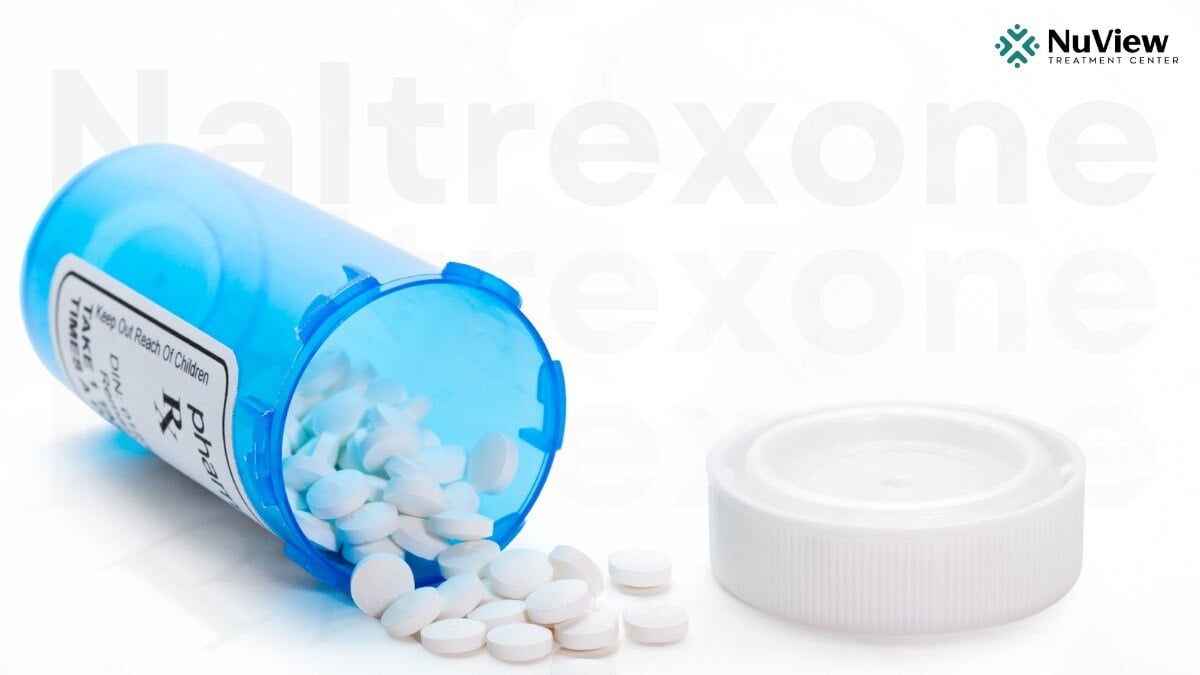
Naltrexone is a U.S. Food and Drug Administration (FDA)-approved opioid antagonist prescription medication used to treat opioid and alcohol use disorders, as it reduces cravings and prevents relapse. How long naltrexone stays in your system mainly depends on the dosage, frequency of use, and metabolism rates.
Naltrexone does not show up on standard drug tests (like standard 5-panel or 10-panel workplace or legal screens). These tests look for common substances of misuse (like opioids, cannabis, or amphetamines), not prescribed medication recovery treatments. A lab can detect naltrexone only if they use a custom or specialized panel specifically ordered to look for it (often used in compliance or medical monitoring programs).
Typically, naltrexone stays in your body for 24 hours. However, depending on the test conducted, it can be detected for even longer.
Important Safety Warning: Reduced Opioid Tolerance
While taking naltrexone, and especially after stopping it, your tolerance to opioids drops. If you return to a dose of opioids you were previously able to tolerate, it can cause life-threatening overdose or death, because your body can no longer handle that amount. This risk is highest once naltrexone's opioid block fades.
If you are thinking about stopping naltrexone for any reason, speak with your prescriber first rather than stopping on your own. It is also strongly recommended that you and the people close to you keep naloxone (Narcan) on hand, in case of an accidental overdose during this vulnerable window.
What Is Naltrexone Half-Life?
Naltrexone has a half-life of an estimated 4 hours. This means it takes 4 hours for the medication to be reduced in your body by half, then another half of the remaining half, and so on. Typically, it takes 4 - 5 half-life cycles until a medication is entirely cleared out of your system.
Get Started With Nuview Treatment Center
Our dedicated professional staff is here to guide you or your loved one on the journey to lasting recovery, offering support every step of the way.

Oral Naltrexone vs. Monthly Injection (Vivitrol): How Long Does Each Last?
Naltrexone is available in two forms with very different durations of effect:
- Oral Naltrexone (Tablet): Taken daily, with a half-life of about 4 hours and full clearance from the body within roughly 24 hours, as noted above.
- Extended-Release Injectable Naltrexone (Vivitrol): A single intramuscular injection that maintains an opioid blockade for approximately one month (4 weeks) per dose, according to the FDA-approved Vivitrol label. As the medication is released gradually from the injection site, its effects last far longer than the oral tablet's, even though the active drug is the same.
This distinction matters for safety: with oral naltrexone, missing a single day can begin to reduce the opioid block. With Vivitrol, the opioid block and the overdose risk once it fades unfolds over a period of weeks rather than hours.
How Long Does Naltrexone Stay In Your System?
On average, naltrexone stays in your system for up to 24 hours. However, depending on the type of test conducted, it can be detected for even longer.
How Long Does Naltrexone Stay In Your Urine?
Naltrexone can be detected in your urine for only 4 - 6 hours after the last dose. One of the most commonly used drug tests, it is easy to administer and inexpensive.
How Long Does Naltrexone Stay In Your Saliva?
Naltrexone can be detected in your saliva for up to 24 hours. Saliva tests are the least invasive and are easy to administer as well.
How Long Does Naltrexone Stay In Your Blood?
Naltrexone can be detected in your blood for up to 24 hours. As blood tests are slightly more invasive than the other tests, they are not as commonly used except in clinical settings.
How Long Does Naltrexone Stay In Your Hair?
Naltrexone can be detected in your hair for up to 90 days. However, as hair tests are time-consuming and expensive, they are not as commonly used except to establish a history of substance use.
| Test Type | Detection Window |
|---|---|
| Urine | 4 - 6 hours |
| Saliva | Up to 24 hours |
| Blood | Up to 24 hours |
| Hair | Up to 90 days |
Get Started With Nuview Treatment Center
What Factors Impact How Long Naltrexone Stays In Your System?
Naltrexone stays in your system for up to 24 hours on average, but there are some factors that can have an impact on this:
- Dosage and Frequency: Higher doses and greater frequency of use can slow down the elimination time.
- Metabolism: Faster metabolism rates ensure faster naltrexone elimination from the body.
- Age: Age impacts metabolism, so aging can slow down the elimination.
- Liver and Kidney Functioning: The liver and kidneys play a crucial role in metabolism and excretion. So, pre-existing liver or kidney conditions can adversely impact the elimination rate.
- Body Mass: Greater body mass can slow down the elimination rate.
While many factors can impact how long naltrexone stays in your system, maintaining physical activity, eating nutritious meals, and keeping your body hydrated at all times support your overall health and help with clearing naltrexone from your body.
Is Naltrexone Effective In Treating Substance Use?
The Substance Abuse and Mental Health Services Administration (SAMHSA) reports that naltrexone is effective in treating both opioid and alcohol use disorders.
For opioid misuse, the long-acting injectable formulation is specifically effective, as it blocks opioid receptors, preventing the person from experiencing the euphoric effects of opioids. It is particularly effective in preventing relapse, especially among those who have been sober and are committed to recovery.
For alcohol misuse, naltrexone reduces cravings and decreases the rewarding effects of alcohol by blocking endorphin receptors in the brain. It strengthens sobriety after detoxification (detox). It is effective in maintaining recovery, especially when combined with behavioral therapies and peer support.
A Word From NuView
Naltrexone is highly effective as a generic opioid antagonist; it blocks the effects of opioids and alcohol and reduces the cravings for these substances. At the NuView Treatment Center, naltrexone is integral to medication-assisted treatment (MAT) programs, which combine the benefits of behavioral therapies and medication management for effective and lasting recovery from opioid and alcohol misuse.
Please contact us at (323) 307-7997 to connect with our experts and explore your healing options today!
Frequently Asked Questions About How Long Does Naltrexone Stay In Your System
1. What are the different types of drug tests used to detect naltrexone in your system?
- Urine Tests: Can detect naltrexone for 4 to 6 hours.
- Saliva Tests: Can detect naltrexone for up to 24 hours.
- Blood Tests: Can detect naltrexone for up to 24 hours.
- Hair Tests: Can detect naltrexone for up to 90 days.
2. What are the common brand names for naltrexone?
The common brand names that naltrexone is sold under are Contrave, Embeda, Mysimba, and Vivitrol.
3. How long does it take for naltrexone to take effect?
When taken orally or by injection, naltrexone takes effect within 1 hour.
4. Is naltrexone addictive?
Naltrexone is not generally considered to be addictive.
5. Is naltrexone effective as treatment?
SAMHSA says that naltrexone can be highly effective in treating opioid and alcohol use disorders. Medication prescription and management must only be done under the close supervision of a board-certified physician or psychiatric practitioner, as individual outcomes can vary.
6. Why do I need to be opioid-free before starting naltrexone?
Starting naltrexone while opioids are still in your system can trigger precipitated withdrawal, a rapid and severe withdrawal reaction. Most clients need a minimum of 7 to 10 days opioid-free (longer for methadone or buprenorphine) before starting, under a clinician's supervision.
- Important Safety Warning: Reduced Opioid Tolerance
- What Is Naltrexone Half-Life?
- Oral Naltrexone vs. Monthly Injection (Vivitrol): How Long Does Each Last?
- How Long Does Naltrexone Stay In Your System?
- What Factors Impact How Long Naltrexone Stays In Your System?
- Is Naltrexone Effective In Treating Substance Use?
- A Word From NuView
- Frequently Asked Questions About How Long Does Naltrexone Stay In Your System
Get Help Today!

About The Contributors

Everyone is Welcome Here and We All Have Your Back
Your healing journey deserves a personalized approach. At NuView, we integrate expertise in behavioral therapy, mental health, and substance use treatment to create a customized recovery plan tailored to your unique needs.
Connect with our Admissions Specialists today.