Can't Sleep After Quitting Alcohol? Beat Soberity Insomnia
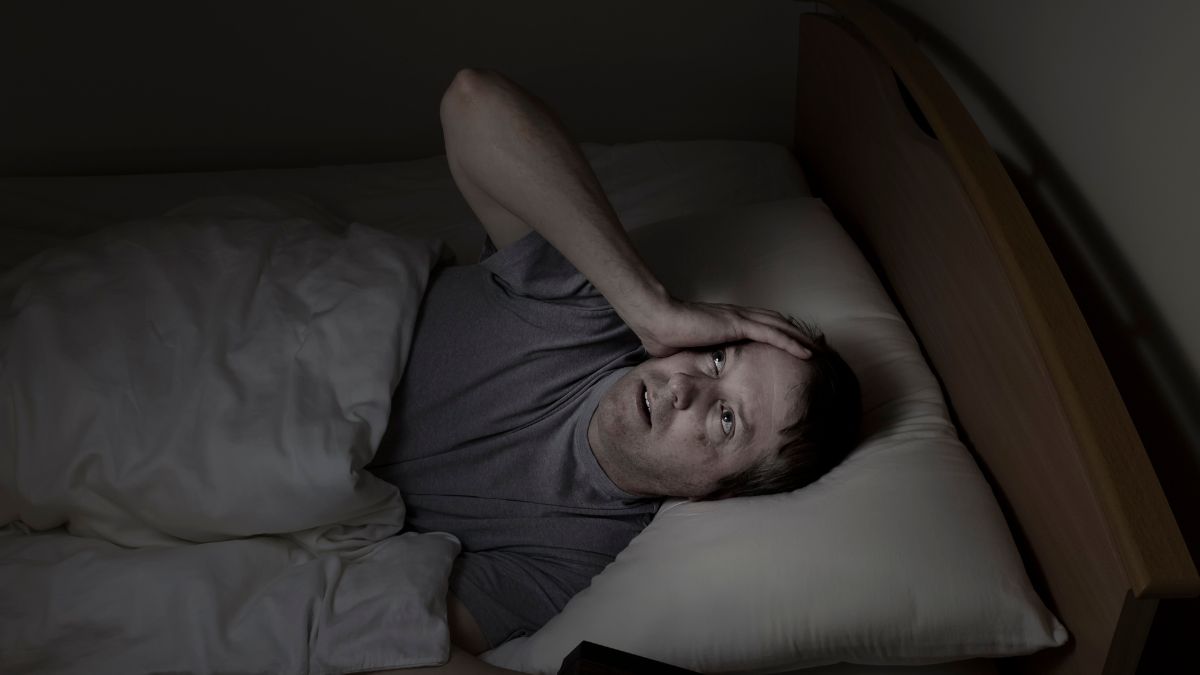
A few days into sobriety: You're staring at the ceiling, heart racing, craving that nightcap to quiet your mind. The clock ticks past 2 a.m., and sleep feels miles away. You're not alone.
A SAMHSA study shows 14.5 million US adults faced alcohol use disorder in recent years, with up to 60% battling sleep disruption in early recovery due to withdrawal effects. It's your brain resetting, and it gets better.
This guide unpacks the science of sobriety and insomnia, and delivers 7 proven fixes for deep rest with no medication needed.
Ready to reclaim your nights?
What is Soberity Insomnia?
Sobriety insomnia refers to sleep troubles that strike after quitting alcohol, as your brain and body readjust without booze's numbing help. It commonly shows up in early recovery, leaving you tossing, turning, or waking up exhausted.
Common Signs
Watch for these typical symptoms in the first weeks:
- Difficulty falling asleep even when tired.
- Frequent night wakings or rising too early.
- Daytime grogginess, mood swings, or foggy focus.
These happen because alcohol masks poor sleep, and now withdrawal reveals the real issues.
When Insomnia Signals Something More Serious
If you have been drinking heavily or for a long time, stopping can cause withdrawal that is medically dangerous, and insomnia is often one of the earliest symptoms of that same withdrawal process. Seizures usually occur in the first 6 to 48 hours after the last drink, and delirium tremens (DTs) usually begins within the first 2 to 4 days - both are medical emergencies. Anyone who has been drinking heavily should speak to a clinician before stopping, not after.
Seek urgent care if you notice: worsening tremor, heavy sweating, a racing heart, hallucinations, confusion or disorientation. Call 9-1-1 immediately for a seizure or confusion. The sleep strategies below are for people whose withdrawal has been medically assessed as safe to manage without supervision - they are not a substitute for that assessment.
The Science: Why Alcohol Wrecked Your Sleep
Alcohol might help you nod off at first, but it wrecks your sleep cycle over time. It suppresses REM sleep, which is the deep, dream-filled stage your brain craves for repair.
When you quit, your body plays catch-up with REM rebound: vivid dreams and fragmented rest peak around days 3-14.
Then there's the brain chemical shuffle. Alcohol boosts GABA, which is your calm-down signal, but reduces glutamate balance, which is the wake-up juice.
In withdrawal, your brain overcorrects through racing thoughts and jitters that keep you up. Full normalization of sleep takes 1-3 months, but simple tweaks can help speed it along.
Get Started With Nuview Treatment Center
Our dedicated professional staff is here to guide you or your loved one on the journey to lasting recovery, offering support every step of the way.

How Sleep Stages Shift After Quitting Alcohol
These shifts happen as your body heals from alcohol's effects, most of which improve with time and support.
Affect on REM Sleep
While drinking, alcohol suppresses your dreams by blocking REM sleep, the deep repair stage. After quitting, it peaks in Week 1 with vivid dreams and wake-ups, then fades by Month 1. This affects about 60% of people early in recovery.
Insomnia Onset
Drinking gives a false "pass-out" that feels like sleep but skips quality rest. After quitting, Nights 1-7 hit hardest with true insomnia from brain chemical shifts.
Deep Sleep Changes
While drinking, you get rare, shallow rest that leaves you drained. After quitting, deep sleep improves steadily over 3-6 months as your brain rebuilds.
6 Common Sobriety Sleep Stealers
Sobriety uncovers hidden habits that sabotage your rest. These seven common issues pop up often in early recovery, but each one comes with a simple, effective fix you can try tonight.
Anxiety Spikes Keep Your Mind Racing
Anxiety spikes often keep your mind racing after quitting alcohol because your brain's GABA levels drop suddenly. This leaves you feeling wired and restless at bedtime.
You can counter this quickly with the 4-7-8 breathing method: Inhale quietly through your nose for 4 seconds, hold your breath for 7 seconds, and exhale through your mouth for 8 seconds.
Repeat four rounds right before bed, and it will calm your nervous system fast.
Caffeine Jitters Stay Too Long
Caffeine jitters stay too long in your system without alcohol to speed up its processing, making that afternoon coffee keep you up all night. It hits harder now because your body isn't used to clearing it without alcohol’s help.
Cut off caffeine completely after 2 PM, and swap it for soothing herbal teas like chamomile or peppermint to make your wind-down much easier.
Screen Blue Light Tricks Your Brain
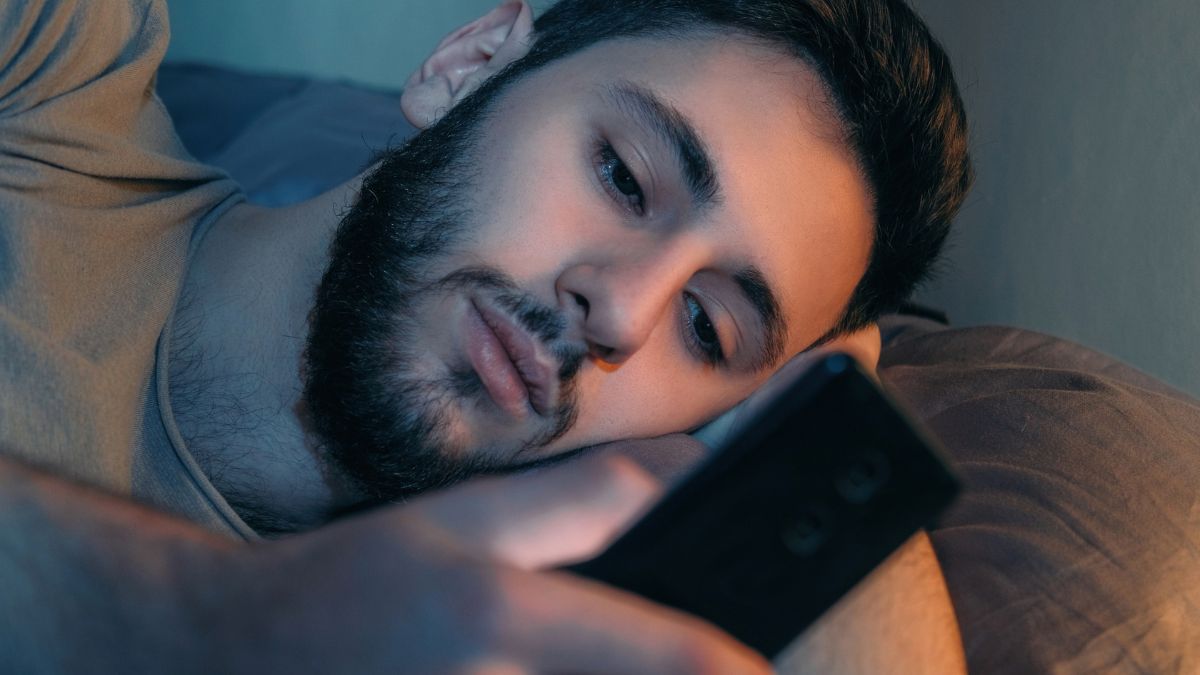
Screen blue light tricks your brain into staying awake by suppressing melatonin production for hours after you stop scrolling.
Phones and TVs mimic daylight, disrupting your natural sleep signals during recovery. Build a 1-hour pre-bed wind-down ritual.
Irregular Schedules Throw Off Your Body Clock
Irregular schedules throw off your body clock because late nights from old drinking habits disrupt your circadian rhythms, especially when you're rebuilding healthy patterns in recovery.
Your internal clock needs consistency to reset properly.
Sugar Crashes Spike Then Drop Your Energy
Sugar crashes spike and then drop your energy just like alcohol used to, especially from junk food dinners that mess with your blood sugar overnight.
This creates highs and lows that mimic your old drinking cycle and keep you restless. Switch to nutrient-dense dinners, as they naturally support GABA production and keep your blood sugar steady for better rest.
Overthinking Replays the Day's Stress
Overthinking replays the day's stress on a loop because sobriety removes alcohol's numbing effect, sharpening rumination and making it harder to quiet your mind at night.
This mental chatter blocks deep sleep in early recovery. End your evening routine with a quick journal session to effectively offload those thoughts for clearer, more peaceful sleep.
Get Started With Nuview Treatment Center
Natural Hacks That Actually Work for Sober Sleep
You deserve rest that fuels your recovery, not just survival. These natural hacks come from trusted government-backed resources like SAMHSA and NIH studies on sleep in substance recovery.
Evidence-Based Supplements for Rest
Consult your doctor before starting supplements, as SAMHSA advises medical guidance during recovery to avoid interactions.
- Melatonin: This hormone signals to your body it's bedtime. NIH research shows it supports sleep regulation disrupted by alcohol withdrawal.
- L-Theanine: It promotes calm by easing brain overactivity. Paired with recovery routines, it aids GABA balance.
- Valerian Root: An herbal option that shortens the time to fall asleep.
Simple Routines to Anchor Your Day
Build habits that align your body clock, backed by NIH findings on circadian health in recovery.
- Getting Morning Sunlight (10 minutes): Get natural light early to boost serotonin and regulate rhythms, which links to deeper sleep in sobriety.
- Doing Daytime Exercise (30 minutes): Walk or yoga in AM/afternoon energizes without evening interference.
- Using Weighted Blankets: Their gentle pressure cuts anxiety, which studies show leads to faster sleep onset for those in early recovery.
- Eating Sleep-Boosting Foods: Drink 8oz tart cherry juice for natural melatonin, and eat a banana for potassium and B6 that aid serotonin production without sugar crashes.
When to Seek Help: Red Flags in Recovery Insomnia
Most sleep issues in early sobriety improve with time and tweaks, but some signal deeper problems.
Watch for these red flags that mean it's time to reach out for support, don't wait it out alone.
- No improvement after 2+ weeks: If basic hacks aren't helping and you're still wide awake every night, your insomnia might be tied to withdrawal complications. SAMHSA notes prolonged issues affect recovery success.
- Depression symptoms creeping in: Feeling hopeless or overly tired during the day alongside insomnia often links to co-occurring mental health needs. This overlap affects many in recovery, so it's important to get checked early.
- Temptation to use substances returns: Sleep struggles can trigger cravings as a "quick fix." If old habits call louder, professional guidance prevents setbacks.
Evening programs designed for working professionals let you build sleep hygiene right into your routine, blending structure with flexibility. They address root causes without derailing your day.
Reclaim Restful Nights with NuView Treatment Center
Struggling with sleepless nights after quitting alcohol? At NuView Treatment Center in Los Angeles, our evening outpatient programs are tailored for working professionals like you.
We offer flexible Intensive Outpatient (IOP) and Partial Hospitalization (PHP) options featuring proven sleep strategies, dual diagnosis support, holistic therapies, and compassionate 24/7 guidance to help reset your natural sleep rhythms. If you are earlier in the process, our alcohol withdrawal guide covers what to expect and how to stop safely.
Experience the science-backed recovery care that addresses sobriety insomnia at its root, empowering you to wake refreshed and focused on your journey.

Frequently Asked Questions
How long does insomnia last after quitting alcohol?
It varies, but most people see the worst of it peak in 1-4 weeks. Your full sleep reset can take up to 3 months as your brain chemistry evens out. Hang in there, it does get better.
Is sobriety insomnia dangerous?
Insomnia itself is usually not dangerous, but if it appears in the first few days after stopping heavy or long-term drinking, it can be an early sign of alcohol withdrawal - which can become medically dangerous. If you have been drinking heavily, speak to a clinician about how to stop safely rather than assuming the insomnia alone is harmless.
Best natural sleep aid post-alcohol?
Magnesium glycinate works wonders for many. It's gentle on the stomach and helps calm those jittery nerves from withdrawal. It’s important to consult your doctor first to keep things safe in recovery.
Does exercise help sober sleep?
Absolutely, especially morning walks as they kickstart serotonin and set your body clock right without wiring you up at night. Even 20-30 minutes outdoors makes a noticeable difference over time.
- What is Soberity Insomnia?
- The Science: Why Alcohol Wrecked Your Sleep
- How Sleep Stages Shift After Quitting Alcohol
- 6 Common Sobriety Sleep Stealers
- Natural Hacks That Actually Work for Sober Sleep
- When to Seek Help: Red Flags in Recovery Insomnia
- Reclaim Restful Nights with NuView Treatment Center
- Frequently Asked Questions
- What is Soberity Insomnia?
- The Science: Why Alcohol Wrecked Your Sleep
- How Sleep Stages Shift After Quitting Alcohol
- 6 Common Sobriety Sleep Stealers
- Natural Hacks That Actually Work for Sober Sleep
- When to Seek Help: Red Flags in Recovery Insomnia
- Reclaim Restful Nights with NuView Treatment Center
- Frequently Asked Questions
Get Help Today!

- https://library.samhsa.gov/sites/default/files/sma14-4859.pdf [SAMHSA study on alcohol use disorder and sleep disruption]
- https://pmc.ncbi.nlm.nih.gov/articles/PMC2761628/ [NIH studies on sleep in substance recovery]
- https://pmc.ncbi.nlm.nih.gov/articles/PMC5614930/
- https://pmc.ncbi.nlm.nih.gov/articles/PMC3974008/
- https://pmc.ncbi.nlm.nih.gov/articles/PMC11371134/
- https://pmc.ncbi.nlm.nih.gov/articles/PMC6927748/
- https://pmc.ncbi.nlm.nih.gov/articles/PMC3753025/
- https://www.niaaa.nih.gov/health-professionals-communities/core-resource-on-alcohol/mental-health-issues-alcohol-use-disorder-and-common-co-occurring-conditions
About The Contributors

Everyone is Welcome Here and We All Have Your Back
Your healing journey deserves a personalized approach. At NuView, we integrate expertise in behavioral therapy, mental health, and substance use treatment to create a customized recovery plan tailored to your unique needs.
Connect with our Admissions Specialists today.