How to Handle Social Pressure to Drink (Without Feeling Awkward or Isolated)?
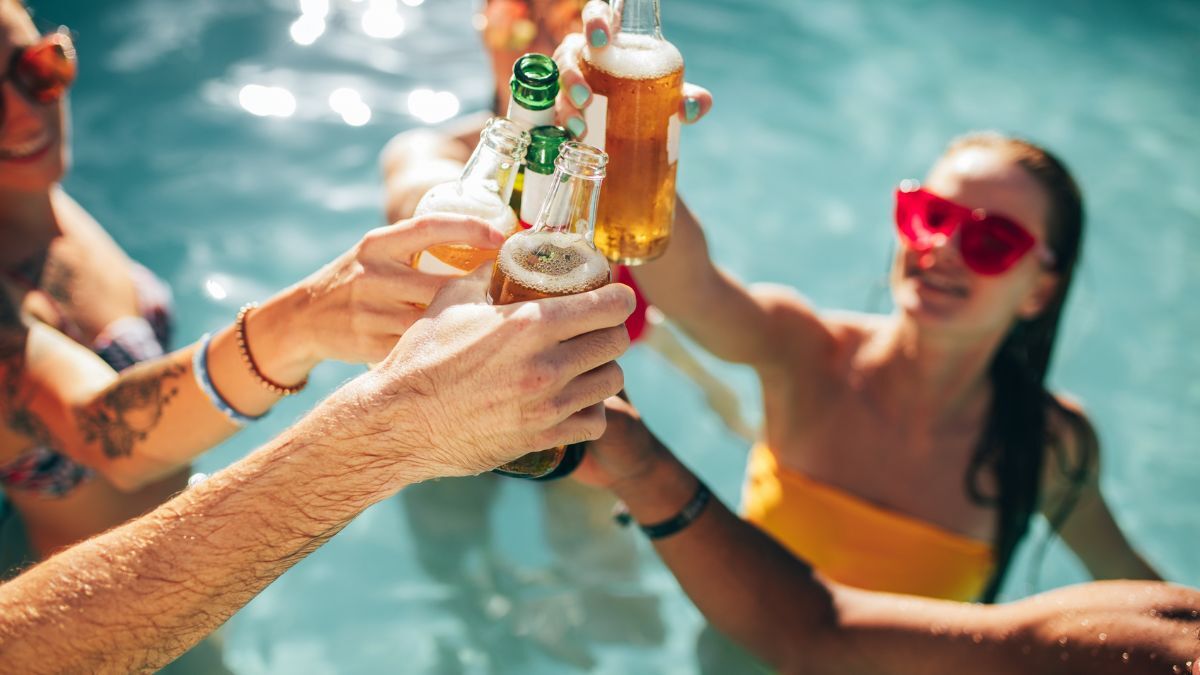
Drinking and socializing often go hand-in-hand in a culture that glorifies alcohol and puts it in the front and center of celebrations, where “the music will play loud, the wine will flow red,” so to speak.
So, it is common to wonder how you can handle this social pressure to drink once you have given up on alcohol and adopted a path of sobriety. The truth is that sobriety does not have to take away from your social life.
In this article, we will explore how you can handle social environments without giving in to the pressure to drink.
Why Do People Feel Pressure to Drink in Social Situations?
Alcohol is deeply tied to social culture. In many societies, drinking is seen as a way to wind down, celebrate, or connect with others. Given this, choosing not to drink can sometimes make others react in ways that feel pushy, even if they do not necessarily mean to.
Here are some common reasons people pressure others to drink:
- Drinking Is Part of Social Bonding: People often connect alcohol with bonding, fun, and letting loose. When everyone else is drinking, someone who is not can unintentionally stand out in ways that feel awkward.
- Group Drinking Culture Is Strong: In some friend groups, workplaces, or families, drinking together is just what people do. When someone breaks the pattern, others may not know how to respond.
- Fear of Standing Out: The fear of standing out is not just for the person who does not drink, but even for those who do drink. Sometimes, why people pressure you to drink is that they feel uncomfortable when someone else chooses not to drink because it makes them think about their own habits.
- People Project Their Own Behavior: If someone drinks often, they may assume everyone else must, too. When you say no, it can make them question themselves, and they may push you without realizing it.
Get Started With Nuview Treatment Center
Our dedicated professional staff is here to guide you or your loved one on the journey to lasting recovery, offering support every step of the way.

Practical Ways to Handle Social Pressure to Drink
Handling the social pressure to drink can be difficult, but it does not have to lead to unnecessary conflicts. Small, simple strategies can teach you how to refuse alcohol politely without damaging your interpersonal relationships.
Prepare a Response Ahead of Time
It is easier to say no when you already know what you are going to say. For instance, “I am good tonight,” or “I am taking a break.”
Change the Subject Quickly
If someone pushes, answer briefly and move on. For instance, “I am good tonight - hey, did you try the food yet?”
Redirecting the conversation in such subtle yet polite ways keeps things from getting awkward.
Set Boundaries Calmly
You do not need to argue. A confident, relaxed tone typically works best. Those who know you tend to stop pushing when they realize you are comfortable with your decision.
Spend Time With Supportive People
Not everyone will pressure you. Some will respect your choices right away. Being around others who do not make drinking the center of every activity can make social events and gatherings much easier.
You Do Not Have to Give Long-Drawn Explanations
Order a non-alcoholic drink. Holding a drink often stops people from asking questions. For instance, you can order juice, sparkling water, soda, or mocktails. Many will not even notice you are not drinking alcohol.
What to Say When Someone Pushes You to Drink?
How to deal with peer pressure to drink is a serious conundrum when people keep asking, even after you say no. Having a few go-to responses can help you stay confident without sounding confrontational.
Here are simple ways to say no to alcohol even when others push you to drink:
- “I am taking a break from alcohol right now.”
- “I am focusing on my health.”
- “I just do not feel like drinking today.”
- “I am the designated driver tonight.”
- “I have an early morning tomorrow.”
- “I am good with what I have.”
You do not owe anyone a detailed explanation. Most of the time, people stop asking once they see that you are sure of your decision.
When Awkward Turns Into Something More
Recognizing when social pressure to drink is turning into more than awkwardness is the first step. If you are feeling this way, NuView Treatment Center is here to help you understand your options in safe, confidential settings. Reaching out does not mean you have to commit to anything right away. It is just to offer clarity.
Call (323) 307-7997
Get Started With Nuview Treatment Center
How Can You Know When Social Pressure Begins to Affect Your Sobriety?
For some, social pressure does not just feel awkward - it begins to change how they view their relationship with sobriety or even cutting down on alcohol.
You may notice things like:
- Drinking even when you do not really want to
- Feeling like it is hard to say no in social settings
- Giving in or drinking more than you planned just to fit in
- Using alcohol to feel less anxious around people
- Feeling uncomfortable at events without alcohol.
This is often the point where people begin to question their relationship with drinking.
Noticing these patterns does not immediately indicate you are going back to your previous patterns with alcohol. It just means it may be time to look more closely at what role alcohol is playing in your life.
What to Do When Your Relationship With Alcohol or Sobriety Is Changing?
If social pressure is changing your relationship with alcohol or sobriety in ways that you are going back to the patterns you were committed to breaking out of and are giving in to alcohol or drinking more than you planned, then reaching out for structured care is a step you can take to recommit to your recovery or sobriety.
Structured programs can enable you to change your drinking habits while still keeping up with daily responsibilities:
- Partial Hospitalization Programs (PHP): PHPs for substance use provide intensive care and treatment during the day while allowing you to return home at night.
- Intensive Outpatient Programs (IOP): IOP offers flexible treatment schedules that fit around school, work, or family life.
- Dual diagnosis treatment: Dual diagnosis treatment can help when alcohol use is connected to stress, anxiety, depression, or other mental health challenges.
Recovery programs are not only for those in crisis. Sometimes it can simply be a choice for those who want more control over their choices.
Speaking with a licensed and trained clinician can help you understand what is going on without judgment.
If You Are Struggling With Alcohol, Reach Out Today!
Social pressure to drink is incredibly common, and feeling awkward saying no does not mean you are doing anything wrong. In many societies, alcohol is treated as a normal part of socializing, so understanding how to avoid drinking socially can feel challenging at first. But your choices about drinking are your own - not your family, not your friends, not your coworkers, and not anybody else at a gathering.
If you ever feel like social pressure is making your drinking harder to control, you can reach out to the NuView Treatment Center today. We see you, and we are always here to listen to you.
Please do not hesitate to contact us at (323) 307-7997 to connect with our experts today!
You Are Not On Your Own
You do not have to navigate this alone. Whether you need a listening ear or a structured path forward, NuView is here for you when you are ready to take the next step. Reach out today, as we believe your sobriety is worth protecting.
- Why Do People Feel Pressure to Drink in Social Situations?
- Practical Ways to Handle Social Pressure to Drink
- What to Say When Someone Pushes You to Drink?
- How Can You Know When Social Pressure Begins to Affect Your Sobriety?
- What to Do When Your Relationship With Alcohol or Sobriety Is Changing?
- If You Are Struggling With Alcohol, Reach Out Today!
- Why Do People Feel Pressure to Drink in Social Situations?
- Practical Ways to Handle Social Pressure to Drink
- What to Say When Someone Pushes You to Drink?
- How Can You Know When Social Pressure Begins to Affect Your Sobriety?
- What to Do When Your Relationship With Alcohol or Sobriety Is Changing?
- If You Are Struggling With Alcohol, Reach Out Today!
Get Help Today!



Everyone is Welcome Here and We All Have Your Back
Your healing journey deserves a personalized approach. At NuView, we integrate expertise in behavioral therapy, mental health, and substance use treatment to create a customized recovery plan tailored to your unique needs.
Connect with our Admissions Specialists today.