Is Bipolar Disorder Genetic?
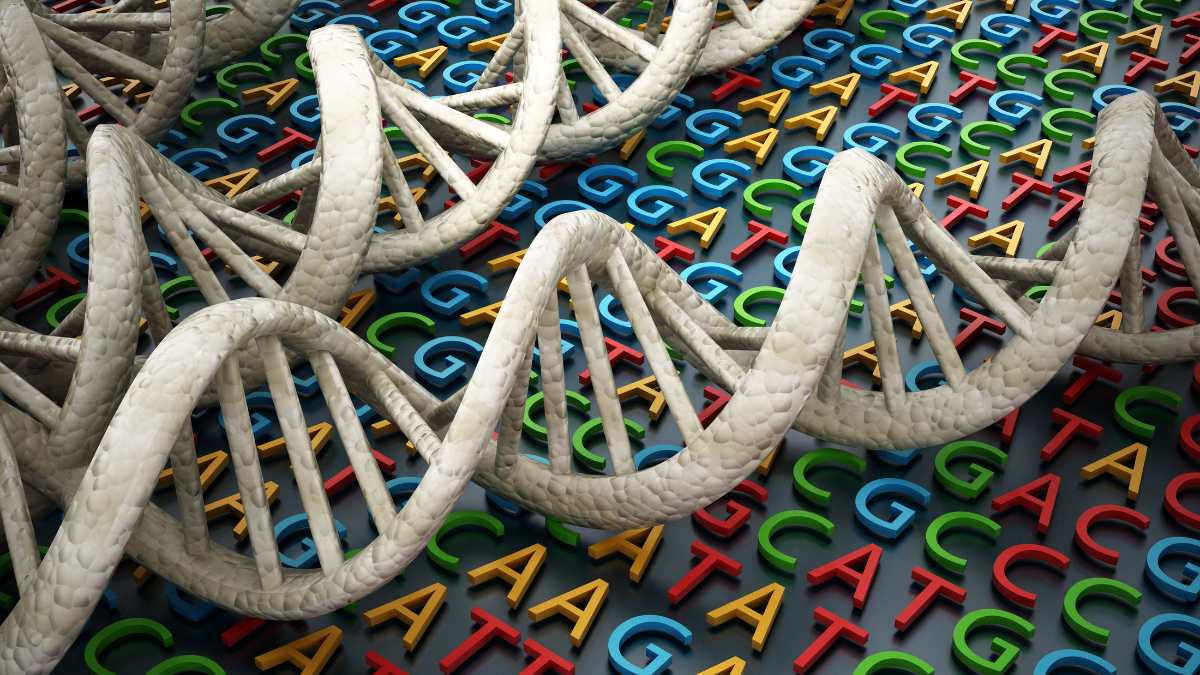
Bipolar disorder is a chronic mental health condition that has not one, but several risk factors. Understanding is bipolar hereditary, and the other reasons behind why this condition may develop help determine how it can be effectively managed with several treatment options.
What Is Bipolar Disorder?
Bipolar disorder (BD) is a mood disorder that is characterized by manic/hypomanic and depressive episodes. Manic and hypomanic episodes are defined by heightened mood and energy, while depressive episodes are defined by sadness, emptiness, and hopelessness.
Bipolar disorder is of three types: bipolar I, bipolar II, and cyclothymic disorder.
Is Bipolar Disorder Hereditary?
Yes, there is a strong genetic component to bipolar disorder. The heritability of this condition ranges from 60% to 80%. Bipolar I, specifically, is strongly linked to genes.
Dr. Ryan Peterson, a highly experienced physician at the NuView Treatment Center, informs us that, “The twin studies and family studies on bipolar disorder have shown that having a close relative, such as a parent or sibling with this condition, increases the likelihood of developing it themselves - by ten times.”
To get into a bit more detail:
- If one identical twin has BD, there are 85% chances the other twin will have it, too.
- If a child has BD, there is a 15% to 30% chance that the other child will have it, too.
Get Started With Nuview Treatment Center
Our dedicated professional staff is here to guide you or your loved one on the journey to lasting recovery, offering support every step of the way.

Is Bipolar Disorder Genetic From Mother or Father?
If you are wondering if bipolar hereditary from mother or father, then the answer is that the transmission levels on both maternal and paternal sides are somewhat similar.
In fact, when both parents have bipolar disorder, then there is a 50% to 75% chance that the children will have it, too.
Why Does a Family History Increase the Risk of Bipolar Disorder?
While scientists are not exactly sure of the inheritance patterns of bipolar disorder, the reason why having a family history of the condition increases the risk is that family members do share similar genetic risk factors.
It is also likely that it is not one gene, but several genetic variations that combine to increase the risk of inheriting this disorder. Variants in genes like ANK3, CACNA1C, ODZ4, SYNE1, and TRANK1 can increase genetic susceptibility, but only explain a tiny percentage of the risk. In a genome-wide study of bipolar disorder, 298 regions of the genome containing DNA variations have been identified that increase the risk of the condition.
Dr. Peterson says, “What needs to be understood here is that having a genetic predisposition toward the disorder does not mean one will necessarily develop it, only that it increases the risk, but so do other factors as well.”
Get Started With Nuview Treatment Center
What Are the Other Risk Factors of Bipolar Disorder?

Bipolar disorder is intricately linked with genetics and environment, which increase the likelihood of this condition. There are also epigenetic factors that are environmental factors that change gene expression to increase the likelihood of this condition. These factors are:
Stress
Stress has become so normalized in today’s fast-paced world that it is easy to overlook the fact that stress can increase the likelihood of serious mental health conditions, such as BD.
Substance Use
BD tends to co-occur at a high prevalence rate with substance use disorders - alcohol and drug misuse. Substance use can exacerbate or worsen bipolar symptoms, further complicating its management.
Trauma
Nearly 70% of people face at least one traumatic event in their lifetime. Traumatic events like physical or emotional abuse can increase the likelihood of BD.
Major Life Events
Major life events, like financial instability, homelessness, and other life transitions, can increase the likelihood of BD. In fact, among women, the postpartum period increases the chances of developing this condition. Nearly 50% of the women are diagnosed with bipolar disorder during this period.
Lifestyle Factors
Changes in the sleep-wake cycle can trigger manic or depressive episodes among those with bipolar disorder.
How a person takes medication can also increase the likelihood of BD. For instance, antidepressants used as the only medication can lead to bipolar symptoms.
What Does the Genetic Component Mean for Treatment?
How closely bipolar disorder is linked with genes informs treatment. BD is a lifelong condition - this means it needs to be effectively managed with medications and psychotherapy.
The way in which a person responds to medications - the first line of treatment with BD - indicates the direction in which the treatment must go. For instance, pharmacogenetic variables in response to lithium (CACNG2), variable metabolism of atypical antipsychotics other than quetiapine (CYP1A2, CYP2D6), reduced metabolism of quetiapine (CYP3A4), and lower side effects of risperidone/paliperidone (AKT1-FCHSDQ-RPTOR-DDIT4), among others, can all be taken into consideration by looking closer into genetics.
These indications can also be deciphered from a family history of the condition. For instance, how a person responds to lithium - the gold standard of bipolar treatment. What this means is not one, but several treatment pathways, such as a combination of antidepressants, lamotrigine, benzodiazepines, psychotherapy, and lifestyle modifications to treat BD.
In fact, alternative routes of treatment, like electroconvulsive therapy (ECT), transcranial magnetic stimulation (TMS), and ketamine-assisted therapy, are also considered in cases where there is a poor response to medications.
A Word From the NuView Treatment Center
Bipolar disorder has complex inheritance patterns - some of which we still do not understand. Understanding is bipolar disorder hereditary is a great step forward in keeping yourself informed.
To take this a step further and ensure you and your family’s well-being, understanding the risks and red flags is crucial. Early interventions can enhance treatment outcomes and increase the quality of life. So, do not hesitate to reach out. Call NuView at (323) 307-7997 - we are always here for you.
Frequently Asked Questions About Is Bipolar Disorder Genetic
1. Is bipolar a genetic disorder?
Yes, bipolar disorder is a polygenic disorder - it means there are several genes that can increase the risk.
2. Should people with bipolar disorder have children?
There is a strong hereditary component to bipolar disorder, but there is no right or wrong answer to whether people with BD should have children or not. It must be noted that BD is a lifelong condition and needs lifelong treatment.
3. Do genetics alone increase the risk of bipolar disorder?
No, genetics alone does not increase the risk of bipolar disorder. It can be a combination of both genetics and environment.
4. Can bipolar disorder be prevented?
No, unfortunately, there are no known ways of preventing bipolar disorder. But understanding your risks can help in reaching out for early diagnosis and intervention. This increases the likelihood of the best treatment outcomes.
5. How is bipolar disorder treated?
Bipolar disorder is treated with a combination of medications and psychotherapy. Alternative routes like ECT, TMS, and ketamine-assisted therapy are also available if a person does not respond to the first line of treatment.
- What Is Bipolar Disorder?
- Is Bipolar Disorder Hereditary?
- Is Bipolar Disorder Genetic From Mother or Father?
- Why Does a Family History Increase the Risk of Bipolar Disorder?
- What Are the Other Risk Factors of Bipolar Disorder?
- What Does the Genetic Component Mean for Treatment?
- A Word From the NuView Treatment Center
- Frequently Asked Questions About Is Bipolar Disorder Genetic
- What Is Bipolar Disorder?
- Is Bipolar Disorder Hereditary?
- Is Bipolar Disorder Genetic From Mother or Father?
- Why Does a Family History Increase the Risk of Bipolar Disorder?
- What Are the Other Risk Factors of Bipolar Disorder?
- What Does the Genetic Component Mean for Treatment?
- A Word From the NuView Treatment Center
- Frequently Asked Questions About Is Bipolar Disorder Genetic
Get Help Today!


- https://medlineplus.gov/genetics/condition/bipolar-disorder/
- https://www.sciencedirect.com/science/chapter/edited-volume/abs/pii/B9780128191828000119
- https://pmc.ncbi.nlm.nih.gov/articles/PMC3181866/
- https://pmc.ncbi.nlm.nih.gov/articles/PMC5378218/
- https://pmc.ncbi.nlm.nih.gov/articles/PMC8867895/
- https://www.mountsinai.org/about/newsroom/2025/largest-genetic-study-of-bipolar-disorder-identifies-298-regions-of-the-genome-that-increase-risk-for-the-condition
- https://www.who.int/news-room/fact-sheets/detail/post-traumatic-stress-disorder
- https://postpartum.net/perinatal-mental-health/#Bipolar
- https://www.mdpi.com/2073-4425/12/8/1259

Everyone is Welcome Here and We All Have Your Back
Your healing journey deserves a personalized approach. At NuView, we integrate expertise in behavioral therapy, mental health, and substance use treatment to create a customized recovery plan tailored to your unique needs.
Connect with our Admissions Specialists today.