What Are AA Open Vs. Closed Meetings? Everything You Need to Know

Alcoholics Anonymous, more commonly known as AA, has been making a difference in the substance use recovery world since 1935. Using Christian principles as an inspiration for the 12 Steps to recovery, it has fostered the power of spiritual surrender, personal responsibility, and community in the context of recovery.
Today, AA boasts of a robust presence in 180 countries with over 123,00 meetings worldwide. Wherever you are, there is likely to be an AA meeting going on near you. However, AA meetings do not follow a one-size-fits-all approach; they come in different types and formats.
In this article, we are going to learn what is an open AA meeting and a closed AA meeting so that you can be informed of the choices you have whenever you are ready to take this journey toward recovery.
What Is Alcoholics Anonymous?
Alcoholics Anonymous (AA) is a peer support group that uses the 12-Step model of spiritual surrender, personal responsibility, community, and service toward recovery from alcohol use. It was developed by Bill Wilson and Dr. Bob Smith in 1935, and has since then helped over 2 million achieve lasting recovery.
AA conducts regular meetings that are free and open to anyone who is looking to learn about recovery and become sober. Studies have shown that it is just as effective as cognitive behavioral therapy in addressing alcohol use and is also relatively inexpensive.
What Is an Open Meeting in AA?
An open AA meeting is one of the two major types of AA meetings. It is basically open to anyone who is looking to learn about alcohol use or getting sober. In fact, it is also open to the family members and friends of the person struggling with alcohol use disorder.
Linda Whiteside, the Clinical Supervisor at NuView Treatment Center, mentions that “Open meetings can be your first point of contact with AA.”
Typically, these open AA meetings will have a leader and other speakers. The leader opens the meeting and introduces the speakers. Speakers will give their interpretation of AA and how it has contributed to their recovery. Then the leader closes the meeting.
What Is a Closed AA Meeting?
A closed AA meeting is an intimate, focused meeting that is only meant for those who wish to quit alcohol entirely.
Closed meetings follow a different format than open meetings, as in, they give an opportunity for members to discuss the phases of their recovery that can resonate with others. They are very informal in that they encourage every member to speak out and share their experiences.
Linda Whiteside says, “If you are new to AA and want to quit alcohol, then closed meetings have a lot to offer. You will be given an opportunity to ask questions and learn from others who have shared similar struggles as you and have been sober for a longer time.”
What Is the Difference Between Open and Closed AA Meetings?
Here are the main differences between open and closed AA meetings:
| Criteria | Open A.A. Meeting | Closed A.A. Meeting |
| Who can attend? | Anyone interested can attend - the person struggling with alcohol use, family, friends, and observers. | Only those who are struggling with alcoholism and want to quit alcohol can attend. |
| Main purpose | Educational and informative about alcoholism and AA - it is open to everyone, even non-members. | More private, intimate - only intended for those actively pursuing recovery and are willing to share their stories with peers. |
| Format | Mainly speaker meetings, followed by general discussion. Even non-alcoholics and observers are allowed. | Focused on sharing similar experiences, personal recovery stories, challenges, and steps to sobriety. |
| Anonymity and confidentiality | Strict - the only requirement for non-members and observers is to respect the anonymity and privacy of the participants. | Very strict emphasis on confidentiality — offers a safe, non-judgmental environment for members to share their stories without having to fear the breach of their anonymity or privacy. |
| When might someone choose this meeting type? | Good for newcomers who want to learn about AA, family and friends wanting to learn about alcohol use disorder and recovery, and people exploring options. | Good for members who are ready to commit to recovery and are looking for privacy and peer support. |
How Can You Find Open vs Closed AA Meetings Near You?
Open and closed AA meetings are held both in-person and online. In-person AA meetings are held in rehabilitation centers, church buildings, office buildings, and recreation centers.
Online AA meetings are held on Zoom. You can attend these meetings from anywhere, provided you have a computer/laptop/phone and a stable internet connection.
If you are in California, you can use our tracker to find the AA meetings near you - both open and closed, in-person and online.
If you are outside of California, you can use this tracker to find the AA meetings near you.
Simultaneously, you can also ask your primary healthcare provider, psychotherapist, counselor, family, friends, and other trusted persons for referrals, too.
What Can You Expect From an AA Meeting? Closed vs Open AA Meetings.
Whether you are planning to attend open vs closed AA meetings, all AA meetings follow a typical format:
- The chair or leader opens the meeting with the AA Preamble and a few welcoming comments.
- The chair will call for a moment of silence followed by the Serenity Prayer.
- If there are any new members, the chair will ask them to introduce themselves.
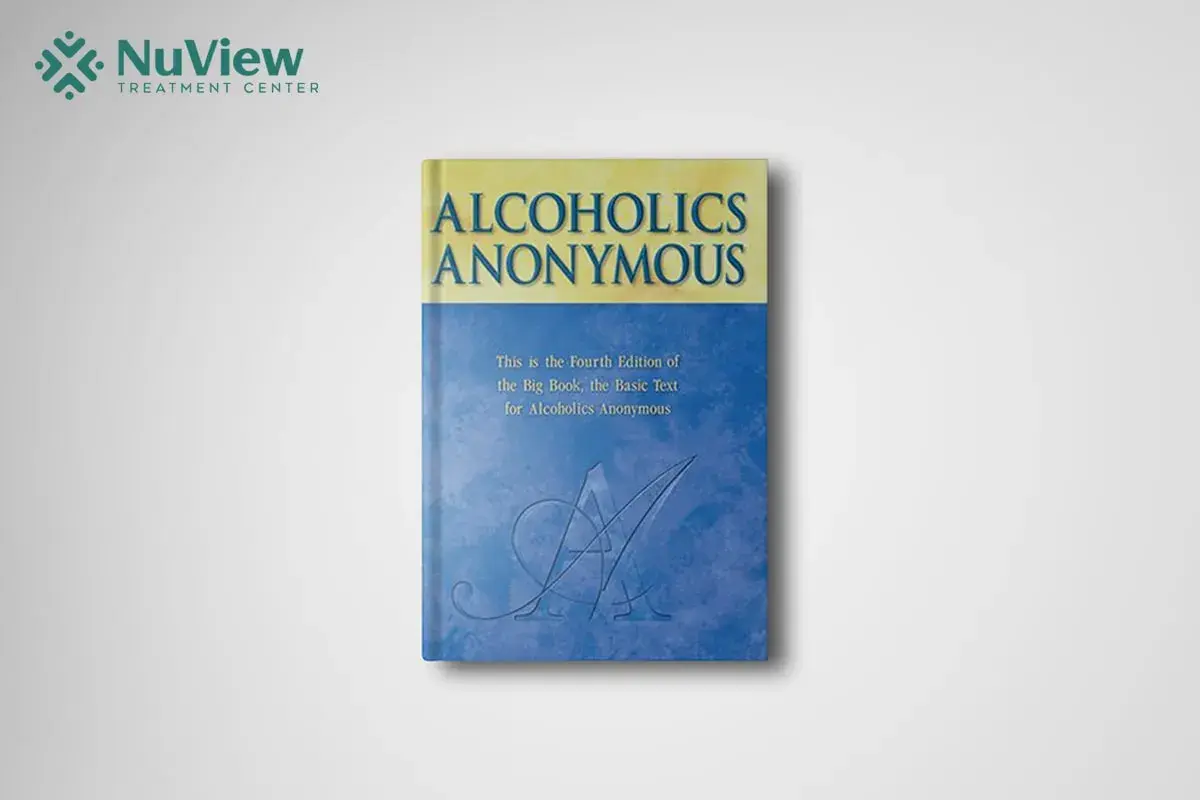
- Introduction will be followed by a reading from the “Alcoholics Anonymous” book or the Big Book - typically Chapter 3 (“More About Alcoholism”) or Chapter 5 (“How It Works?”).
- A statement regarding the importance of anonymity is emphasized.
- The members close with a moment of silence, followed by a prayer.
Post-meeting, you will find that members catch up with each other with a smile, a hug, or a chat. If you are new, other members will come up to you and introduce themselves, and you can introduce yourself in return. This is also a good opportunity to find a sponsor who can offer one-on-one support in navigating the 12 Steps in your recovery.
How Do I Know If AA Is Right For Me?

Whenever you are ready to begin your recovery journey, there are many recovery options available for you. AA is one of them. You may wish to attend a meeting on your own to understand what it is like, or you may even attend it because your family or friends asked you to.
However you come to AA, what matters is that the 12 Steps of spiritual surrender, personal responsibility, collective growth, and service resonate with you - only then will you likely find healing with AA.
Linda Whiteside informs that, “It may not be necessary that you feel at home right away with AA - you may have to switch back and forth between meetings to find the right fit. Whenever you feel that you are right at home, you know you have found your meeting.”
Typically, the best AA meetings are those that are:
- Well-attended.
- Have a healthy mix of both newcomers and old-timers.
- Offer a safe, non-judgmental environment where you will not be pressured to do anything you feel uncomfortable with or not yet ready for.
- Offer motivation and a sober community you can rely on.
If you think AA is not right for you - it is okay. It is not for everyone. But there are other peer support programs you can explore, such as (but not limited to):
Is AA an Effective Recovery Option On Its Own?
AA is one of the recovery options, but there is no one path to recovery. AA can be an effective stand-alone option, but this varies depending on the case. AA is not a substitute for psychotherapy or medical care. For instance, many times, alcohol use can lead to serious withdrawal symptoms and other health complications that will require a specialized level of care than what AA has to offer.
Linda Whiteside brings attention to the fact that, “You need to remember that it never has to be AA or therapy, or AA or medical care. Both can co-exist and contribute to your recovery in unique ways.”
Typically, alcohol use disorder treatment options will include:
- Medically Supervised Detoxification: Detox involves gradually tapering off alcohol levels from your body to manage cravings and withdrawal symptoms.
- Psychotherapy: It uses a combination of therapeutic modalities like motivational interviewing, cognitive behavioral therapy, contingency management, and 12-Step facilitation models to change the underlying patterns leading to substance use and equip you with healthy coping skills.
- Medication Management: It uses the U.S. Food and Drug Administration (FDA)-approved medications to treat alcohol use disorder - acamprosate, disulfiram, and naltrexone to control cravings and prevent relapse.
- Peer Support: roup therapy and other peer support programs are used to create a safe, supportive environment for understanding and collective growth.
- Aftercare: Aftercare plans to sustain recovery involve ongoing therapy/counseling, relapse prevention, medication management, peer support groups like AA, and lifestyle modifications.
Begin Your Alcohol Recovery Today at NuView Treatment Center, Los Angeles
If you are struggling with alcohol use to the point that it is impeding your daily life, functioning, and relationships, then you can benefit from NuView’s holistic and personalized alcohol recovery options that heal you from within - mind, body, and spirit - the whole you.
Please do not hesitate to call us at (323) 307-7997 to connect with our experts now!
Frequently Asked Questions About Open vs. Closed AA Meetings
What is Alcoholics Anonymous?
Alcoholics Anonymous, or AA, is a peer support program that follows the 12 Steps of spiritual surrender, personal responsibility, community, and service toward alcohol use disorder recovery.
What is an open AA meeting?
An open AA meeting is open to everyone who is willing to understand alcohol use and recovery, learn about AA, explore recovery options, or pursue sobriety.
What is a closed meeting in AA?
A closed AA meeting is intimate and focused on those who are willing to quit alcohol use entirely.
Closed vs open AA meetings - which one is right for me?
When it comes to closed vs open AA meetings, what is right for you depends on where you are in your recovery journey. If you are just opening up toward recovery and wanting to learn more about it, then an open AA meeting can be the right fit for you. If you are committed to quitting alcohol entirely, then a closed AA meeting can be the best option for you.
Is AA effective on its own?
AA can be effective on its own or co-exist with therapy, medication management, and aftercare, depending on your needs and goals.
- What Is Alcoholics Anonymous?
- What Is an Open Meeting in AA?
- What Is a Closed AA Meeting?
- What Is the Difference Between Open and Closed AA Meetings?
- How Can You Find Open vs Closed AA Meetings Near You?
- What Can You Expect From an AA Meeting? Closed vs Open AA Meetings.
- How Do I Know If AA Is Right For Me?
- Is AA an Effective Recovery Option On Its Own?
- Begin Your Alcohol Recovery Today at NuView Treatment Center, Los Angeles
- Frequently Asked Questions About Open vs. Closed AA Meetings
- What Is Alcoholics Anonymous?
- What Is an Open Meeting in AA?
- What Is a Closed AA Meeting?
- What Is the Difference Between Open and Closed AA Meetings?
- How Can You Find Open vs Closed AA Meetings Near You?
- What Can You Expect From an AA Meeting? Closed vs Open AA Meetings.
- How Do I Know If AA Is Right For Me?
- Is AA an Effective Recovery Option On Its Own?
- Begin Your Alcohol Recovery Today at NuView Treatment Center, Los Angeles
- Frequently Asked Questions About Open vs. Closed AA Meetings
Get Help Today!


- https://www.nacr.org/living-free/chapter-2-the-twelve-steps-and-their-relationship-to-christianity
- https://www.aa.org/aa-around-the-world
- https://www.aa.org/the-start-and-growth-of-aa
- https://www.aa.org/
- https://www.medscape.com/viewarticle/926801?form=fpf
- https://www.aa.org/faq/what-open-meeting
- https://www.aa.org/faq/what-closed-meeting
- https://www.aa.org/find-aa
- https://www.aa.org/information-about-meetings
- https://www.aa.org/the-big-book
- https://smartrecovery.org/
- https://lifering.org/
- https://www.refugerecovery.org/
- https://womenforsobriety.org/
- https://medlineplus.gov/ency/article/000764.htm
- https://www.aafp.org/pubs/afp/issues/2016/0315/p457.html
Helpful Readings
Everyone is Welcome Here and We All Have Your Back
Your healing journey deserves a personalized approach. At NuView, we integrate expertise in behavioral therapy, mental health, and substance use treatment to create a customized recovery plan tailored to your unique needs.
Connect with our Admissions Specialists today.
