PTSD in Veterans: Signs, Delayed Symptoms, and When to Get Help
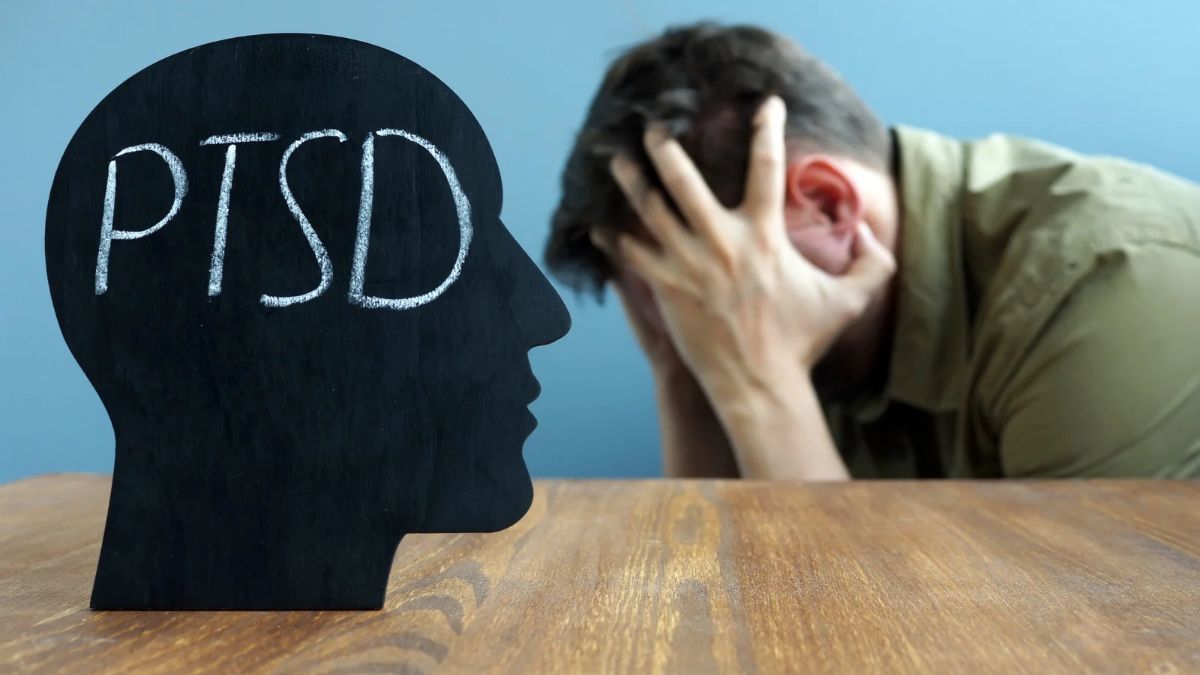
Disclaimer: This article is for informational purposes only and is not a replacement for expert medical or mental health advice. If you or a loved one is struggling with PTSD or related symptoms, please contact a licensed treatment provider. Call 9-8-8 or 9-1-1 in case of crises, emergencies, or other urgent needs.
Post-traumatic stress disorder (PTSD) is a serious mental health condition that may occur among those who have experienced or witnessed one or more traumatic events. It is slightly more common among veterans. The U.S. Department of Veterans Affairs says that 7 out of 100 U.S. veterans struggle with PTSD at some point in their lives. When a person serves in the military, they typically have to encounter violence and life-threatening circumstances more often than civilians. These kinds of experiences can eventually lead to PTSD.
In this article, we will explore common reasons, signs of PTSD in veterans, and when to reach out for the care you need and deserve for yourself or a loved one.
What Are Some Common Reasons for PTSD in Veterans?
Survivor’s Guilt
Survivor’s guilt is the persistent feeling that one should not have made it home when others did not, or that they might have done something differently. 25.8% of veterans reported experiencing survivor’s guilt. It can bring guilt, shame, sadness, and withdrawal. These feelings often reflect how much you cared. Guilt that does not ease with time deserves care.
Moral Injury
Moral injury is distress that comes from seeing, doing, or failing to stop something that goes against one’s principles. It can follow combat decisions, following orders one struggled with, or witnessing danger to civilians or fellow service members. Nearly 955,000 U.S. veterans report experiencing moral injury.
It often shows up as deep guilt, shame, anger, or a loss of trust in oneself, others, and society. Moral injury overlaps with PTSD but is not identical, and therapy is best when it focuses on both.
Military Sexual Trauma
Military sexual trauma (MST) refers to sexual harassment or assault one experienced during service. It affects veterans of all genders. Surveys revealed that 1 in 3 women and 1 in 40 men reported experiencing MST. It can lead to PTSD, anxiety, depression, and difficulty with trust. Many survivors wait a long time to open up and speak. This is why trauma-informed care is so crucial to cultivate sensitivity toward such traumatic events.
Combat Nightmares and Sleep Problems
Combat nightmares may lead veterans to wake in a sweat, avoid going to sleep, or sleep for short periods of time. Sleep troubles then impact mood and focus, and make daily functioning difficult to manage. If nightmares happen often or you dread bedtime, reaching out to a therapist can be the starting point for a lasting recovery.
Hypervigilance After Service
Hypervigilance after service means the body remains alert toward threats even when there is no threat. One might scan rooms, sit facing the door, tense up in traffic, or feel unsafe in a crowd. In service, this keeps the military personnel alert. At home, it can wear them out and strain relationships. Therapy can be crucial for the nervous system to learn that it is safe to relax in everyday settings.
Receive The Care You Need And Deserve With NuView
NuView is in-network with the VA Community Care Network through TriWest, and our team can help you understand your next steps. Call us or verify your insurance to see if VA Community Care may apply to you.

What Are the Signs of PTSD in Veterans?

PTSD can vary from person to person, but here are some common signs to look out for:
Intrusive Memories: flashbacks or unwanted thoughts of events from service.
Mood and Thinking Changes: Disconnectedness, numbness, shame, anger, or losing interest in things one used to enjoy.
Hypervigilance: Trouble sleeping, irritability, startling easily, or trouble concentrating.
Avoidance: Staying away from events, persons, news, or conversations that bring the experience back to the forefront of the mind.
Coping Through Substances or Risk-Taking Behaviors: Drinking more, using drugs, or taking risks that feel out of character.
What Are Delayed PTSD Symptoms?
Some veterans feel fine for months or years after their service. But then symptoms begin to emerge. The Diagnostic and Statistical Manual of Mental Disorders (DSM-5-TR) recognizes this pattern as a “delayed expression” of PTSD, where full criteria are not met until at least six months after the event, even if some symptoms began earlier.
Delayed PTSD symptoms often follow a life change or stressor, such as:
Retiring or leaving a structured routine
The death of a friend or a loved one
A health problem or injury
News coverage of a conflict
An anniversary of a difficult event
Having a long stretch without symptoms does not mean the traumatic experiences were never there. It also does not mean it is too late to seek the care one needs and deserves.
When to Reach Out?
Reach out if you notice any of the following:
Symptoms last more than a month or keep getting worse
Sleep, career, or relationships are suffering
You are drinking or using drugs to cope
You feel numb, hopeless, or disconnected from those you love
You have thoughts of harming yourself
If you are in crisis or have thoughts of hurting yourself, call or text 9-8-8 and press 1 to reach the Veterans Crisis Line. It is free, confidential, and available 24/7.
What Can You Do As a Family Member of a Loved One of a Veteran?
Families and loved ones of veterans do not have it easy either. It can be distressing to watch your loved one carry the experience back in a way that prevents them from enjoying the joys of ordinary life.
When you notice them becoming hypervigilant, withdrawing, or using substances to cope - do not confront or blame them. Create a safe environment where you express your worries and provide opportunities to have open conversations so that they can speak with you.
Encourage them to seek the care they need and deserve. Offer practical resources like mental health specialists who can break down their defenses and reach out to them.
Do not become frustrated if you do not notice change right away. Every open conversation you have is a step in the right direction.
If you notice someone in a crisis or emergency, call 9-8-8 or 9-1-1 in the U.S. immediately.
Taking a Step Toward Recovery With the NuView Treatment Center
NuView Treatment Center is a Joint Commission-accredited outpatient treatment center offering evidence-based, personalized care for mental health conditions, substance use, and co-occurring conditions. Veterans can receive a range of outpatient care, including partial hospitalization programs (PHPs), intensive outpatient programs (IOPs), evening IOPs, and virtual treatment options. As trauma and substance use often overlap, our trauma-informed dual diagnosis care addresses both together.
You do not have to have everything figured out before you reach out to us. Taking a step toward the care you need and deserve is a huge step in itself. Call us at (323) 307-7997 to learn more about your options today.
Getting Care in Los Angeles Via VA Community Care
Many veterans may not know that treatment outside a VA facility is also a viable option. NuView is an in-network provider in the VA Community Care Network through TriWest. Behavioral health care, including mental health and substance use treatment, is a covered service when it is approved as medically necessary.
The VA determines eligibility, and authorization is required before treatment begins. Here are some steps you can follow:
Speak with your VA primary care or mental healthcare provider
Request a community care referral
The VA approves the referral and routes it to TriWest
Request NuView as your provider
Begin treatment once everything is confirmed
Our team can also verify your benefits free of cost, with no obligation on you to commit to us right away. It is just a step toward making informed decisions in your care.
Get Clarity On Your Options
You do not need to figure everything out on your own before you call us. Speaking with licensed clinicians at NuView in safe, confidential settings offers you an opportunity to understand where you stand and which level of care can be the right next step for you.

- What Are Some Common Reasons for PTSD in Veterans?
- What Are the Signs of PTSD in Veterans?
- What Are Delayed PTSD Symptoms?
- When to Reach Out?
- What Can You Do As a Family Member of a Loved One of a Veteran?
- Taking a Step Toward Recovery With the NuView Treatment Center
- Getting Care in Los Angeles Via VA Community Care
Get Help Today!



https://www.psychiatry.org/patients-families/ptsd/what-is-ptsd/
https://www.ptsd.va.gov/understand/common/common_veterans.asp
https://www.sciencedirect.com/science/article/abs/pii/S0165032724009789
https://pubmed.ncbi.nlm.nih.gov/40602027/
https://www.mentalhealth.va.gov/docs/mst_general_factsheet.pdf
https://www.dav.org/get-help-now/veteran-topics-resources/post-traumatic-stress-disorder-ptsd/

Everyone is Welcome Here and We All Have Your Back
Your healing journey deserves a personalized approach. At NuView, we integrate expertise in behavioral therapy, mental health, and substance use treatment to create a customized recovery plan tailored to your unique needs.
Connect with our Admissions Specialists today.