Can Weight-Loss Medications Change Your Relationship With Alcohol?
Disclaimer: This article is for general educational purposes only and does not replace professional medical advice, diagnosis, or treatment. The studies mentioned here do not show that any medication directly leads a person to drink less, and they do not advise starting, changing, or stopping a prescription for alcohol use. No GLP-1 medication is FDA-approved to treat alcohol use disorder as of yet. If you drink heavily, do not stop suddenly without medical care, as alcohol withdrawal can be life-threatening. For emergencies, call 9-1-1 (U.S.) or go to the nearest emergency room right away.
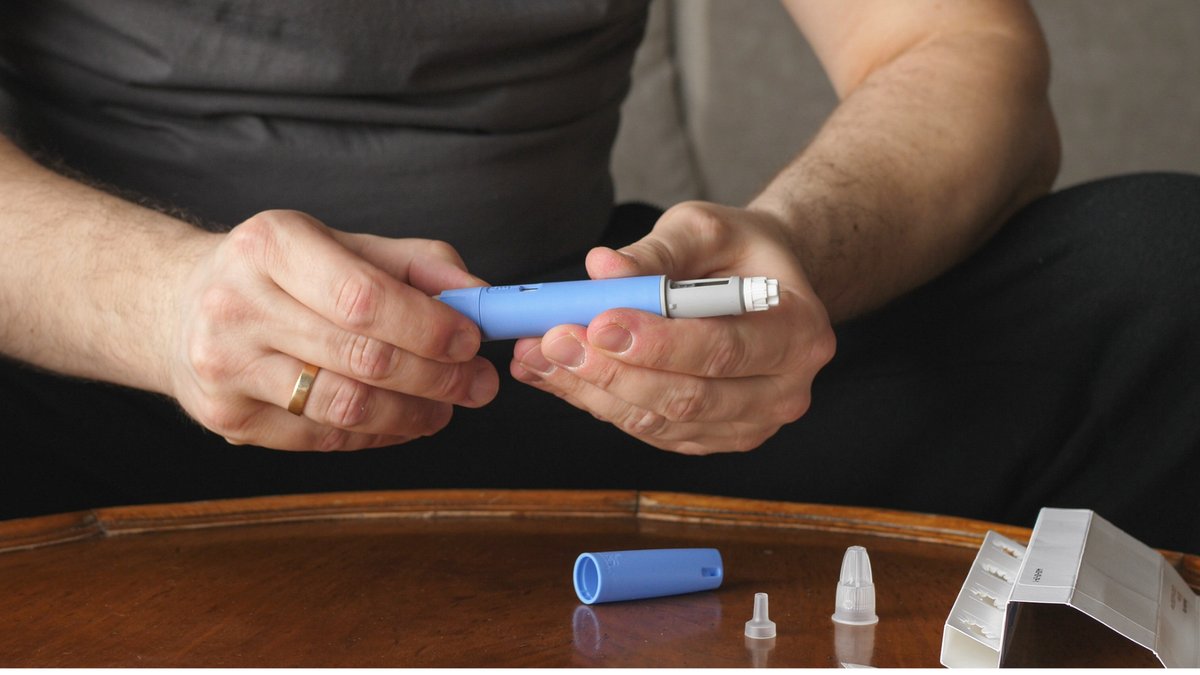
Some people who start glucagon-like peptide-1 receptor agonists (GLP-1 RAs) medication to lose weight or for diabetes treatment say they want to drink less as well.
A national survey published on October 14, 2026, in JAMA Psychiatry reports that roughly 44% of GLP-1 users who were drinking when they started said they drank less during the first three months.
Those are self-reported changes, not proof that the weight-loss medications have lowered alcohol consumption.
What Did the October Study Find?
A team led by Brown University’s Lori Uscher-Pines surveyed 2,009 U.S. adults in March and April 2026 using RAND’s probability-based American Life Panel. Of 2,009 participants, 368 (16%) had used a GLP-1 RA - either presently or in the past. They rated how their relationship with drinking alcohol changed in the first three months, from much less to much more. Respondents who were not drinking at the start were excluded, leaving just 242.
Among them, 44.2% reported drinking less, 52.6% reported no change, and 3.3% reported drinking more. Among 129 people who screened positive for potentially unhealthy drinking when they began taking the medication, 54.1% reported drinking less, 40.2% reported no change, and 5.7% reported drinking more during the first 3 months.
Those with potentially unhealthy alcohol use were more likely to report reduced alcohol consumption within 3 months after beginning GLP-1 RA medication.
Participants were recalling changes after the fact, and the authors identified recall and social desirability bias as limitations as well. There was no comparison group, so the survey cannot separate the medication from other reasons for lowered drinking, such as weight goals, nausea, or a health concern.
When Your Relationship With Alcohol Needs A Closer Look
You only have to reach out to the NuView Treatment Center. Our licensed clinicians will sit with you to understand your symptoms, history, and needs to suggest the best next step forward for you.

Why Might Weight-Loss Medications Affect Alcohol Cravings?
Alcohol use disorder is a medical condition characterized by an inability to control or stop drinking alcohol. GLP-1s are medications approved by the U.S. Food and Drug Administration (FDA) to treat diabetes and obesity, but not for managing drinking problems.
However, the National Institutes of Health (NIH) notes that GLP-1s target certain brain pathways that are linked with appetite regulation and reward. So, they may contribute toward controlling alcohol consumption as well.
Medical records of those with diabetes or obesity have found a lower risk of alcoholism among those treated with a GLP-1. However, only a few randomized clinical trials have been conducted thus far, and more evidence is required.
How Does This Compare With Earlier Research?
In a 2025 JAMA Psychiatry trial, 48 participants with alcohol use disorder who were not seeking treatment received low-dose weekly semaglutide or placebo for 9 weeks. Semaglutide reduced weekly craving and alcohol consumption in a lab test, but not average drinks per day or the number of drinking days.
A 2026 Lancet trial enrolled 108 treatment-seeking adults with both alcohol use disorder and obesity. Everyone was offered cognitive behavioral therapy, and half received weekly semaglutide for 26 weeks. Heavy drinking days fell by 41.1 percentage points with semaglutide and 26.4 percentage points with placebo.
Studies on weight-loss medications and alcohol consumption are promising. However, these trials are still few in number. The Lancet trial included only participants with obesity, and researchers still need to learn whether the outcomes apply to those without obesity or endure after stopping medication. It must also be noted that participants taking placebo also improved, potentially reflecting the need for detox, structured care, and therapy.
Does Drinking Less Mean Addiction Is Resolved?
Alcohol use disorder involves more than drinking less. National Institute on Alcohol Abuse and Alcoholism (NIAAA) notes that a person is most likely to return to drinking during stress or around other people and settings tied to past drinking. It also says that consistent behavioral therapy enables a person to build skills for these moments, which a weight-loss medication cannot.
Someone who drinks to cope with anxiety, grief, or other concerns still has those challenges afterward. NIAAA lists anxiety, depression, trauma-related conditions, and other substance use disorders as common co-occurring conditions and advises treating them together with drinking with therapy, medication management, skills training, relapse prevention, peer community meetings, and continued care.
“While it’s a good attempt to decrease one’s appetite for alcohol using certain medications as mentioned, treating alcohol use disorder is complex. You’d have to use both FDA-approved pharmacologic management and non-pharmacologic multi-modal addiction care,” said Dr. Ryan Peterson, board-certified addiction medicine specialist and medical director at NuView Treatment Center. “The recent study shows promise, but it’s still fairly new. We need more data,” Dr. Peterson added.
What Can Readers Do With This Information?
Speak with your clinician about how a medication can affect your drinking, whether you drink less, the same, or more. For instance, in the same survey we have been discussing, 3.3% reported drinking more. If you are worried about your drinking, you can also go for a clinical assessment to understand your symptoms, history, and needs to begin treatment.
As of now, no GLP-1 medication is FDA-approved to treat alcohol use disorder. NIAAA lists three approved medications - acamprosate, disulfiram, and naltrexone. Using a GLP-1 for alcohol cravings is not something you can do on your own. You will have to speak with a board-certified physician or a psychiatric practitioner first.
If you drink heavily most days, do not cut back or quit cold turkey on your own, with or without medication. Seek medical care to plan it safely. Alcohol withdrawal is a key safety concern. Stopping alcohol suddenly after a period of heavy, prolonged drinking can lead to painful or life-threatening withdrawal, including nausea, rapid heart rate, and seizures.
If anybody is experiencing these symptoms, call 9-1-1 or go to your nearest emergency room right away.
Finding Personalized Outpatient Care at NuView
Changing your relationship with drinking is not dependent on medication itself. NuView Treatment Center offers outpatient care for alcohol use and co-occurring mental health conditions, such as partial hospitalization, intensive outpatient, and telehealth programs.
Reach out to us to learn more about how these programs can fit your needs. Reaching out does not require you to commit to us right away. It is only a conversation to understand where you stand and what your next step can be.
“It’s always a good idea to check in with your local addiction medicine and behavioral healthcare provider first before trying new medications or therapies to curb alcohol cravings. Guided care is always the best,” said Dr. Peterson.
Get Clarity On Your Options
Reaching out to us does not mean you have to commit to us right away. It is only an information-gathering step to understand where you stand, verify your insurance, and clarify how to go ahead with your recovery journey from here.

- What Did the October Study Find?
- Why Might Weight-Loss Medications Affect Alcohol Cravings?
- How Does This Compare With Earlier Research?
- Does Drinking Less Mean Addiction Is Resolved?
- What Can Readers Do With This Information?
- Finding Personalized Outpatient Care at NuView
- What Did the October Study Find?
- Why Might Weight-Loss Medications Affect Alcohol Cravings?
- How Does This Compare With Earlier Research?
- Does Drinking Less Mean Addiction Is Resolved?
- What Can Readers Do With This Information?
- Finding Personalized Outpatient Care at NuView
Get Help Today!



Everyone is Welcome Here and We All Have Your Back
Your healing journey deserves a personalized approach. At NuView, we integrate expertise in behavioral therapy, mental health, and substance use treatment to create a customized recovery plan tailored to your unique needs.
Connect with our Admissions Specialists today.